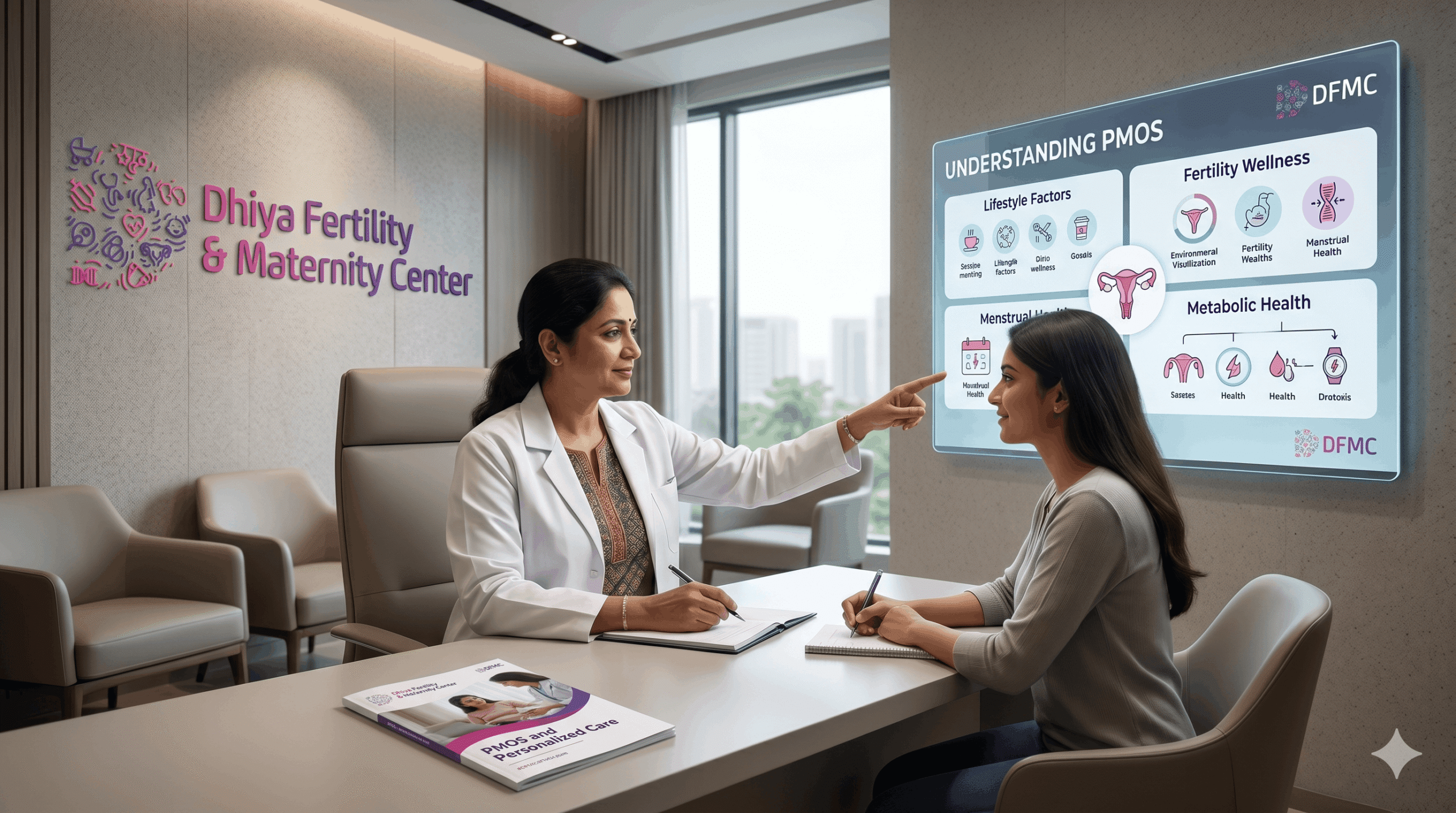
PMOS – What Has Changed in Treatment? What’s Different Today and What Remains the Same
Women’s health conditions often evolve not because the disease itself changes, but because medical understanding improves over time. One topic that has received increased attention in recent years is PMOS, a term that many patients are now hearing in discussions about hormonal health, menstrual irregularities, fertility, and metabolic wellness.
When people ask:
“What has changed in PMOS treatment?”
The answer is surprisingly simple:
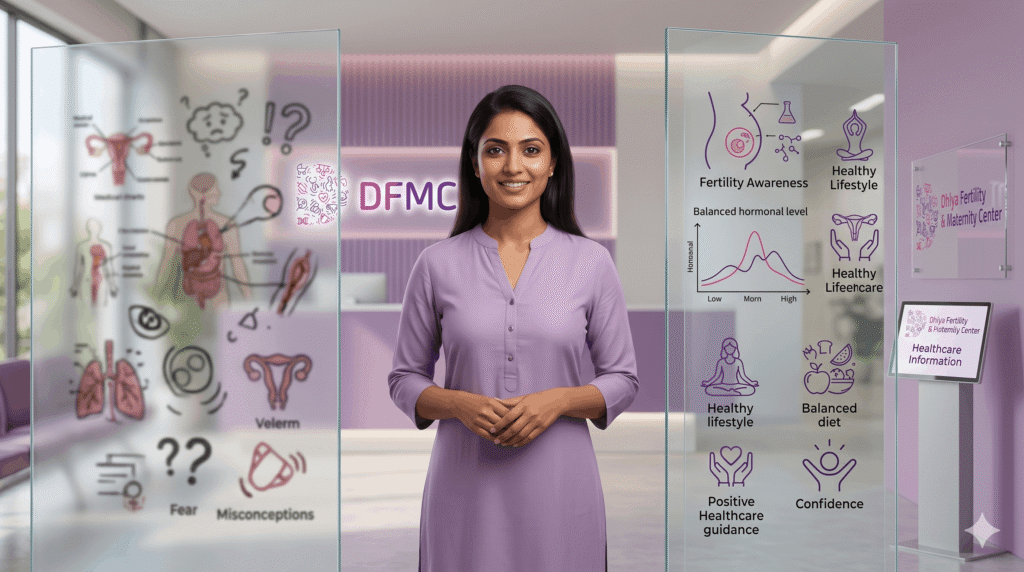
The treatment has not changed significantly. The perspective has changed. The misconceptions caused by the previous name and understanding have gradually been removed.
This shift in understanding has helped doctors provide more personalized care and has helped women better understand their condition without unnecessary fear or confusion.
In this blog, we explain:
- What PMOS means in modern women’s healthcare
- What has changed in treatment approaches
- What remains the same
- Common misconceptions that have been corrected
- How women can manage PMOS effectively today
Understanding PMOS Beyond the Name
For many years, discussions around hormonal and ovulatory disorders often focused heavily on visible symptoms or ultrasound findings. This sometimes created confusion among patients and led to several misconceptions.
Today, healthcare professionals understand that PMOS is not simply about:
- Hormonal imbalance
- Menstrual irregularities
- Fertility challenges
- Weight management
Instead, it is viewed as a broader condition that can affect different women in different ways.
No two women experience PMOS exactly the same way.
What Has Changed in PMOS Treatment?
The Most Important Change: Better Understanding
Many people expect a completely new treatment approach.
However, the reality is:
No major treatment change has occurred.
The perspective has changed.
Doctors now focus more on:
- Individual symptoms
- Long-term health outcomes
- Lifestyle factors
- Fertility goals
- Metabolic health
- Emotional well-being
Rather than applying the same treatment plan to every patient, care is now more personalized.
What Remains the Same?
Although awareness has improved, the foundations of PMOS management remain largely unchanged.
The most effective strategies still include:
Healthy Nutrition
Balanced eating habits continue to play a major role in hormonal health.
Regular Physical Activity
Exercise remains one of the most effective ways to support overall well-being.
Weight Management
For some women, maintaining a healthy weight can help improve symptoms.
Medical Monitoring
Regular follow-up appointments remain important for long-term management.
Fertility Support When Needed
Women planning pregnancy may benefit from individualized fertility guidance.
These principles continue to form the foundation of PMOS care.
The Biggest Misconceptions That Have Been Removed
One of the most important developments in recent years is the correction of several common myths.
Misconception 1: PMOS Means Pregnancy Is Impossible
This is not true.
Many women with PMOS:
- Conceive naturally
- Have healthy pregnancies
- Respond well to fertility treatment when required
Early medical guidance can significantly improve reproductive outcomes.
Misconception 2: Every Woman Needs the Same Treatment
PMOS affects women differently.
Some women experience:
- Irregular periods
Others may experience:
- Fertility concerns
- Weight-related symptoms
- Hormonal symptoms
Treatment is now increasingly tailored to individual needs.
Misconception 3: Medication Alone Solves Everything
Modern healthcare emphasizes a balanced approach.
Successful PMOS management often includes:
- Lifestyle changes
- Nutritional support
- Exercise
- Medical evaluation
- Ongoing monitoring
Misconception 4: PMOS Is Only a Fertility Problem
PMOS may affect:
- Hormonal health
- Menstrual cycles
- Metabolic wellness
- Emotional health
- Long-term quality of life
This broader understanding has improved patient care significantly.
Why Personalized Care Matters More Today
One of the biggest shifts in modern PMOS management is personalization.
Doctors now consider:
Age
Different age groups may require different management strategies.
Reproductive Goals
Women planning pregnancy have different needs from those focusing on symptom management.
Lifestyle Factors
Sleep, stress, nutrition, and physical activity all play important roles.
Long-Term Health
Management now focuses not only on immediate symptoms but also future health outcomes.
Common Symptoms Associated With PMOS
Women may experience:
- Irregular menstrual cycles
- Delayed ovulation
- Difficulty conceiving
- Weight gain
- Acne
- Excess facial or body hair
- Hair thinning
- Hormonal fluctuations
Symptoms vary from person to person.
PMOS and Fertility
One of the most common concerns among women is fertility.
The good news is that many women with PMOS:
- Successfully conceive naturally
- Have healthy pregnancies
- Benefit from fertility support when required
Early assessment and proper guidance can help identify the most appropriate path toward pregnancy.
PMOS Management at DFMC Chennai
At Dhiya Fertility & Maternity Center (DFMC), Chennai, the focus is on helping women understand their condition clearly and manage it confidently.
DFMC provides:
- Women’s health consultations
- Hormonal health evaluation
- Fertility counseling
- Pregnancy planning support
- Lifestyle guidance
- Preventive women’s healthcare
Dr. Keerthana Ashwin and the DFMC team take a patient-centered approach that emphasizes education, awareness, and personalized care.
The goal is not simply to manage symptoms but to improve overall health and quality of life.
When Should You Consult a Specialist?
You should consider professional evaluation if you experience:
- Irregular periods
- Difficulty conceiving
- Persistent hormonal symptoms
- Unexplained weight changes
- Concerns about reproductive health
Early diagnosis often leads to better long-term outcomes.
Final Thoughts
When discussing PMOS today, the biggest change is not necessarily in the treatment itself.
What remains the same:
- Lifestyle management
- Medical monitoring
- Individualized care
- Fertility support when needed
What has changed:
- Better awareness
- Improved understanding
- Personalized treatment planning
- Removal of outdated misconceptions
As healthcare continues to evolve, women are receiving more accurate information, better guidance, and greater confidence in managing their long-term health.
Frequently Asked Questions (FAQ)
1. Has PMOS treatment changed significantly in recent years?
No. The core treatment principles remain similar, but the understanding and approach to managing the condition have improved.
2. What is the biggest change in PMOS management today?
The biggest change is the shift toward personalized care and the removal of common misconceptions.
3. Can women with PMOS get pregnant naturally?
Yes. Many women with PMOS conceive naturally and have healthy pregnancies.
4. Is lifestyle management still important for PMOS?
Yes. Healthy eating, exercise, weight management, and regular medical follow-up remain essential.
5. Does every woman with PMOS need the same treatment?
No. Treatment should be individualized based on symptoms, health goals, and reproductive plans.
External Links
Reach Us
- No. 46 G Square, Kanthanchavadi OMR, Chennai, TAMIL NADU 600096, India
- +91 99621 00003
- https://thedfmc.com/