Early Signs of Cervical Cancer are often subtle and easy to overlook. Many women do not experience noticeable symptoms in the early stages, which is why understanding the Early Signs of Cervical Cancer and undergoing regular screening can play a crucial role in protecting women’s health.
Cervical cancer is one of the most preventable cancers when detected early. However, lack of awareness and delayed screening still lead to many women being diagnosed at later stages. Learning about the symptoms, screening tests, and preventive measures can help women take control of their reproductive health and seek timely medical care.
What Is Cervical Cancer?
Cervical cancer develops in the cervix, which is the lower part of the uterus connecting to the vagina. In most cases, cervical cancer is caused by persistent infection with Human Papillomavirus (HPV).
HPV is a common virus transmitted through intimate contact. While most HPV infections clear naturally, some high‑risk types can cause abnormal cell changes that may eventually lead to cancer if not treated.
According to the World Health Organization, cervical cancer is one of the most preventable cancers when women have access to regular screening and vaccination.
Learn more from WHO:
https://www.who.int/news-room/fact-sheets/detail/cervical-cancer
Early Signs of Cervical Cancer Every Woman Should Watch For
In many cases, cervical cancer may not cause symptoms during its early stages. However, some warning signs can appear as the condition develops.
Common symptoms include:
• Unusual vaginal bleeding between periods
• Bleeding after sexual intercourse
• Bleeding after menopause
• Persistent pelvic pain
• Pain during intercourse
• Unusual watery or foul-smelling vaginal discharge
These symptoms do not necessarily mean cancer, but they should never be ignored. Consulting a doctor early helps identify the underlying cause and allows timely treatment.
Why Cervical Cancer Screening Is Important
Because early cervical cancer may not cause symptoms, regular screening tests are essential for early detection.
Screening helps doctors identify abnormal cervical cells before they become cancerous.
The two most common screening methods include:
Pap Smear Test
A Pap smear test checks for abnormal cervical cells. Detecting abnormal cells early allows doctors to treat them before cancer develops.
HPV Test
The HPV test detects high‑risk HPV strains responsible for most cervical cancer cases.
More information about cervical cancer screening can be found here:
https://www.cdc.gov/cervical-cancer/screening/index.html
Routine screening significantly reduces the risk of cervical cancer.
Risk Factors for Cervical Cancer
Certain factors can increase the risk of cervical cancer:
• Persistent HPV infection
• Early sexual activity
• Multiple sexual partners
• Smoking
• Weak immune system
• Long‑term use of oral contraceptives
• Lack of regular cervical screening
Understanding these risk factors allows women to take preventive steps and prioritize regular health checkups.
Cervical Cancer Prevention: Steps Every Woman Can Take
The good news is that cervical cancer is largely preventable with proper care.
HPV Vaccination
HPV vaccination protects against the virus types responsible for most cervical cancers. Vaccination is recommended for adolescents and young adults.
Regular Screening
Routine Pap smear and HPV tests help detect abnormal cervical changes early.
Healthy Lifestyle
Maintaining a healthy lifestyle, including quitting smoking, eating a balanced diet, and attending regular gynecological checkups, supports overall reproductive health.
Cervical Health and Fertility
Cervical health plays an important role in a woman’s reproductive system. Untreated cervical conditions may affect fertility or complicate pregnancy in some cases.
Women planning pregnancy or undergoing fertility treatments should ensure that their cervical screening tests are up to date. Early evaluation helps prevent complications and supports healthier reproductive outcomes.

Cervical Cancer Screening at DFMC Chennai
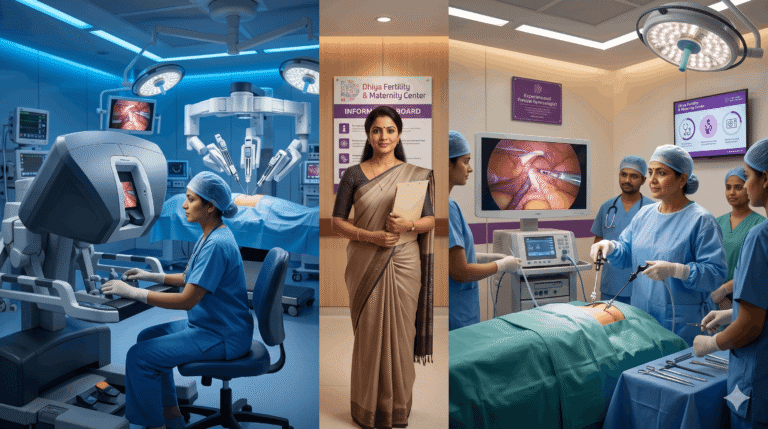
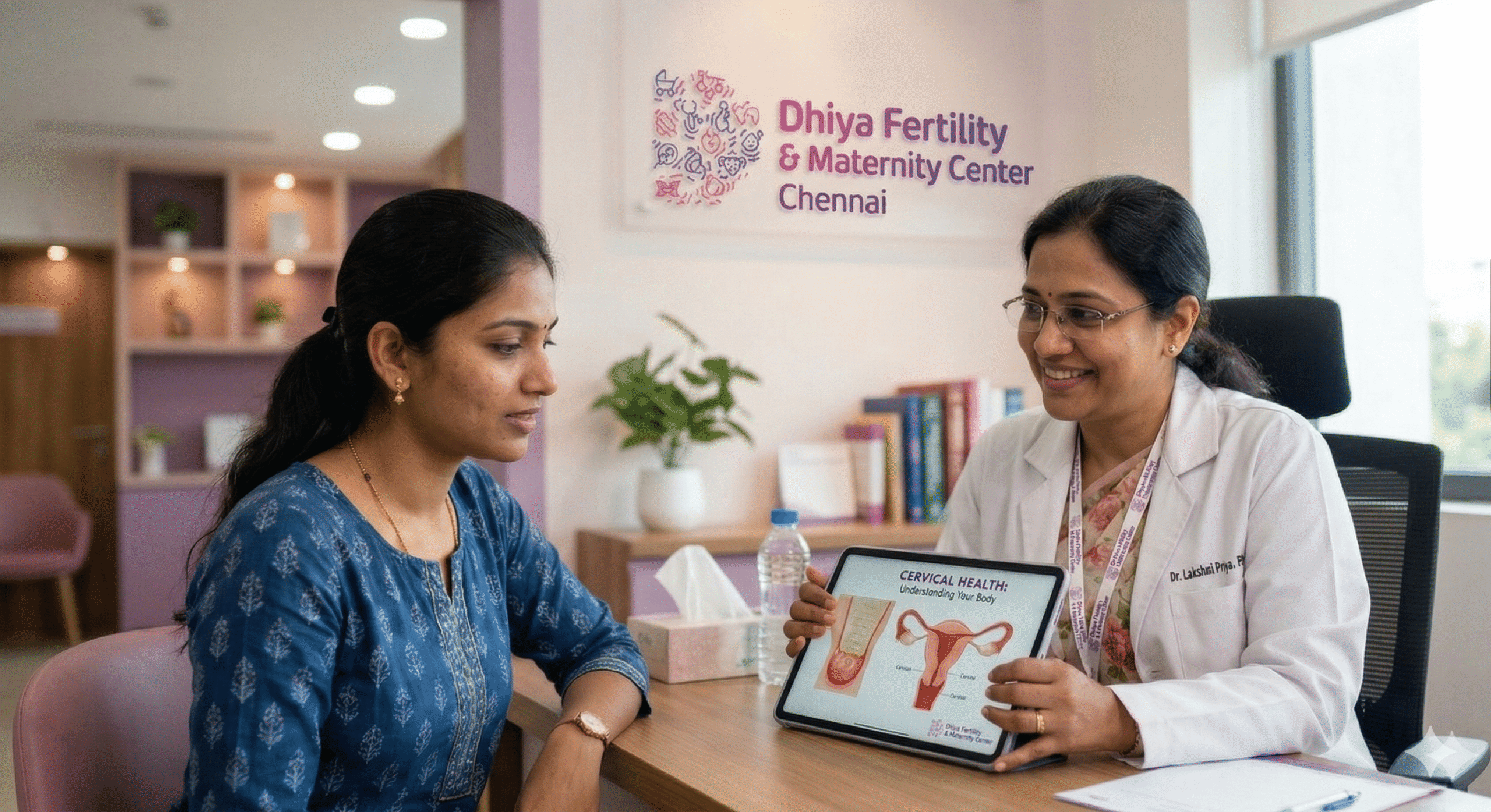
Regular cervical screening is essential for protecting women’s reproductive health. At Dhiya Fertility & Maternity Center (DFMC) in Chennai, women can undergo cervical cancer screening tests such as Pap smear and HPV testing performed by experienced specialists.
Early screening helps detect abnormal cervical cells before they develop into cancer, enabling timely treatment and better health outcomes.
Women who are planning pregnancy, undergoing fertility treatment, or maintaining reproductive health are encouraged to schedule routine screening as part of preventive care.
DFMC also provides comprehensive women’s healthcare services including fertility consultation, pregnancy care, diagnostic scans, and reproductive health evaluations.
Book an appointment:
Website:
https://thedfmc.com
Location:
Chennai, Tamil Nadu
Contact:
+91‑99621 00003
Frequently Asked Questions (FAQ)
What are the early signs of cervical cancer?
Early signs may include unusual vaginal bleeding, bleeding after intercourse, pelvic pain, and abnormal vaginal discharge. However, many early cases show no symptoms.
At what age should women start cervical cancer screening?
Most doctors recommend starting Pap smear screening at age 21 and continuing regularly based on medical advice.
Can cervical cancer be prevented?
Yes. Cervical cancer can often be prevented through HPV vaccination, regular Pap smear screening, and early treatment of abnormal cervical cells.
How often should a Pap smear test be done?
Many women are advised to undergo a Pap smear every 3–5 years depending on age and medical history.
Where can I get cervical cancer screening in Chennai?
Women can undergo cervical cancer screening tests such as Pap smear and HPV testing at Dhiya Fertility & Maternity Center (DFMC) in Chennai.