Fibroid Specialist in Chennai: Treatment Options, Symptoms & When Surgery Is Needed
Uterine fibroids are one of the most common gynecological conditions affecting women, especially during their reproductive years. While many fibroids are harmless and may not cause symptoms, others can affect daily life, fertility, pregnancy, and overall well-being.
Many women discover they have fibroids during a routine health checkup or while seeking treatment for heavy periods, pelvic pain, or fertility concerns. This often leads to questions such as:
- What are fibroids?
- Do fibroids always need treatment?
- When is surgery necessary?
- Which doctor should I consult?
If you are looking for a fibroid specialist in Chennai, understanding the symptoms, treatment options, and available medical support can help you make informed healthcare decisions.
What Are Uterine Fibroids?
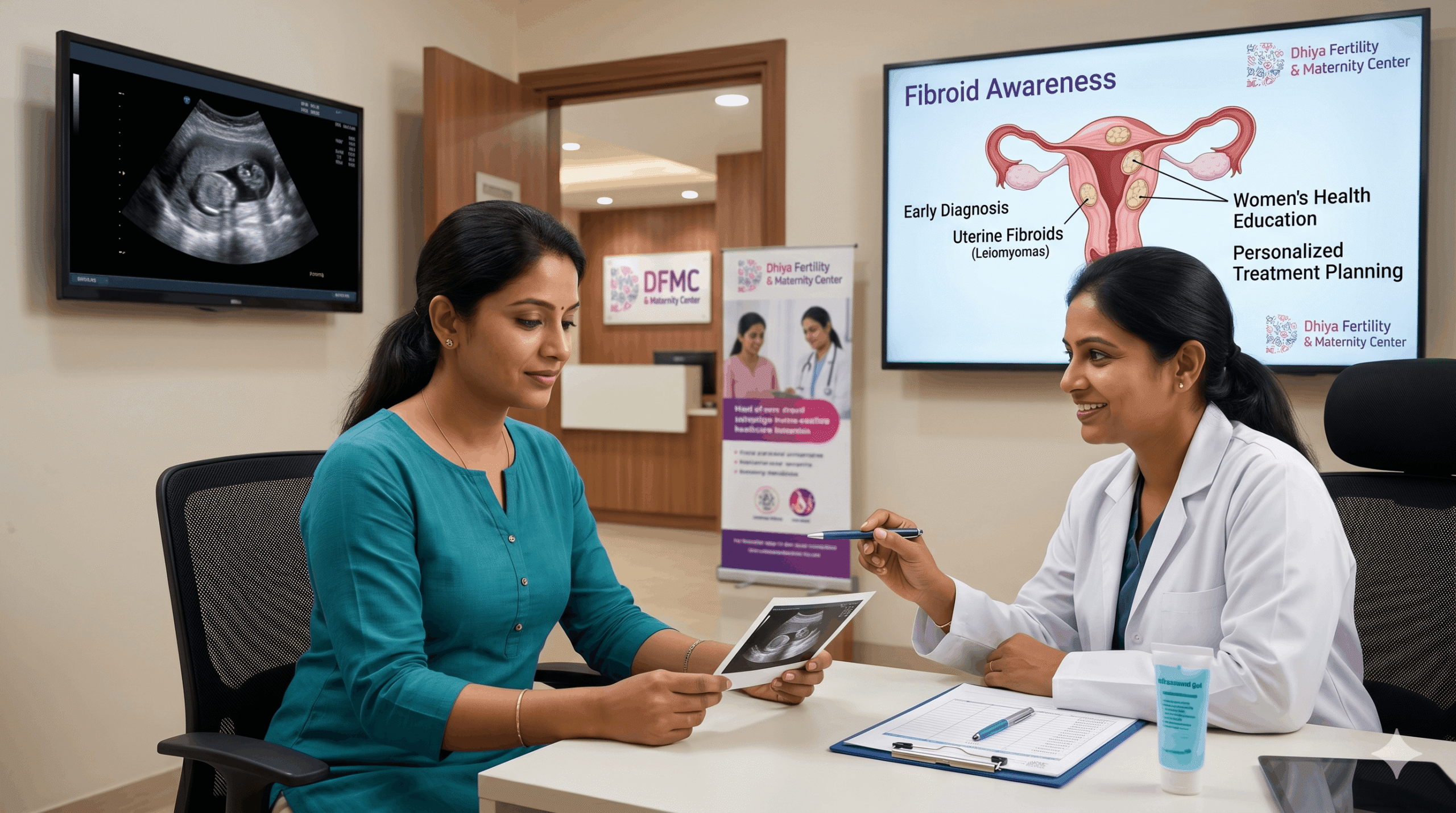
Fibroids are non-cancerous growths that develop in or around the uterus. They can vary greatly in size, from very small growths to larger fibroids that may affect the shape and size of the uterus.
Fibroids are also known as:
- Uterine fibroids
- Leiomyomas
- Myomas
The exact cause of fibroids is not fully understood, but factors such as hormones, genetics, and family history may play a role.
Common Symptoms of Fibroids
Some women may never experience symptoms, while others may notice significant changes in their menstrual and reproductive health.
Common fibroid symptoms include:
- Heavy menstrual bleeding
- Prolonged menstrual periods
- Pelvic pain or pressure
- Frequent urination
- Lower back pain
- Pain during intercourse
- Abdominal bloating
- Difficulty conceiving
- Recurrent pregnancy complications
The severity of symptoms often depends on the size, location, and number of fibroids.
Can Fibroids Affect Fertility?
Yes, in some cases fibroids can impact fertility and pregnancy.
Depending on their location, fibroids may:
- Interfere with implantation
- Affect the shape of the uterus
- Increase the risk of miscarriage
- Cause complications during pregnancy
However, many women with fibroids still conceive naturally and have healthy pregnancies.
A fertility and gynecology specialist can evaluate whether fibroids are contributing to fertility concerns.
How Are Fibroids Diagnosed?
Diagnosis typically begins with a gynecological examination followed by imaging studies.
Common diagnostic methods include:
Ultrasound
The most common method used to identify fibroids.
Pelvic Scan
Provides detailed information about the size and location of fibroids.
Advanced Imaging
In selected cases, doctors may recommend additional imaging to better evaluate the uterus.
Early diagnosis helps doctors choose the most appropriate treatment plan.
Do All Fibroids Need Treatment?
No. Not all fibroids require treatment.
Small fibroids that do not cause symptoms may simply be monitored through regular checkups.
Treatment is usually considered when fibroids:
- Cause heavy bleeding
- Result in persistent pain
- Affect fertility
- Grow significantly in size
- Cause pressure symptoms
The treatment approach depends on the individual patient’s symptoms and health goals.
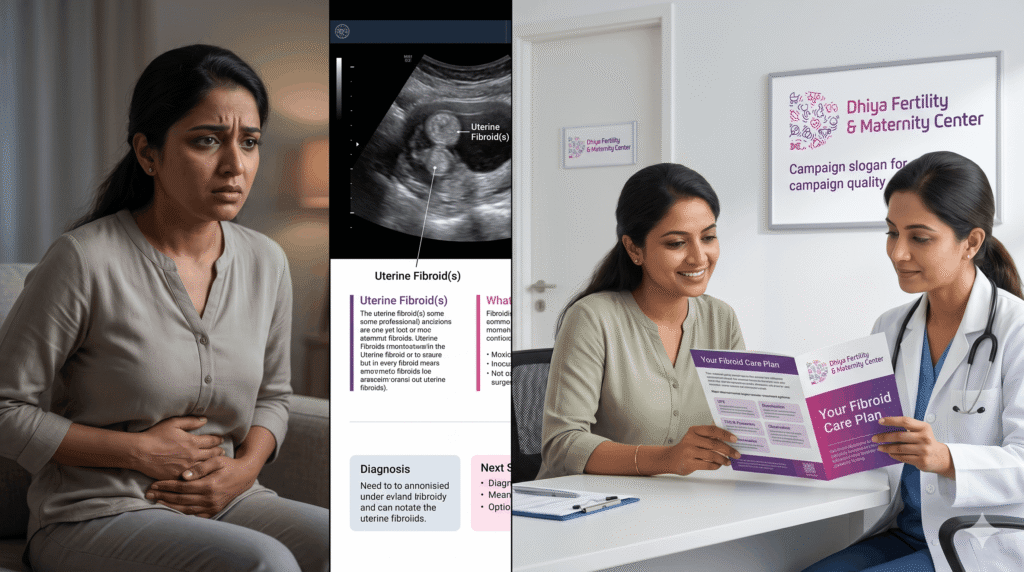
Treatment Options for Fibroids
Modern gynecology offers several treatment options based on the severity of symptoms and future pregnancy plans.
1. Observation and Monitoring
For women with mild or no symptoms, doctors may recommend:
- Periodic scans
- Routine follow-up appointments
- Monitoring fibroid growth
This approach helps avoid unnecessary treatment when fibroids remain stable.
2. Medication-Based Management
Certain medications may help manage:
- Heavy menstrual bleeding
- Pain
- Hormonal symptoms
Medication can improve quality of life, although it may not permanently eliminate fibroids.
3. Fertility-Focused Treatment
Women planning pregnancy may require a personalized treatment strategy.
A fibroid specialist evaluates:
- Fibroid location
- Fertility goals
- Reproductive history
This helps determine whether treatment is needed before conception.
4. Surgical Treatment
Surgery may be recommended when:
- Fibroids are large
- Symptoms are severe
- Fertility is affected
- Other treatments are ineffective
The type of surgery depends on:
- Fibroid size
- Number of fibroids
- Future pregnancy plans
- Overall health condition
When Is Fibroid Surgery Needed?
Surgery is not always necessary, but doctors may recommend it in certain situations.
Surgery may be considered if:
✅ Heavy bleeding affects daily life
✅ Persistent pelvic pain occurs
✅ Fibroids continue growing
✅ Fertility challenges are linked to fibroids
✅ Repeated pregnancy complications occur
✅ Pressure symptoms affect nearby organs
The decision is always based on individual evaluation rather than fibroid size alone.
Why Choosing the Right Fibroid Specialist Matters
Fibroid treatment should not follow a one-size-fits-all approach.
An experienced fibroid specialist helps:
- Identify the root cause of symptoms
- Evaluate fertility implications
- Recommend appropriate treatment
- Avoid unnecessary procedures
Personalized treatment planning often leads to better long-term outcomes.
Fibroid Care at DFMC Chennai
At Dhiya Fertility & Maternity Center (DFMC), Chennai, women receive comprehensive evaluation and personalized care for various gynecological conditions, including uterine fibroids.
DFMC provides:
- Women’s health consultations
- Fibroid assessment and diagnosis
- Fertility evaluation
- Pregnancy planning support
- Preventive gynecology care
- Personalized treatment guidance
Dr. Keerthana Ashwin and the DFMC team focus on helping women understand their condition clearly and choose the most suitable treatment approach based on their individual needs and future health goals.
When Should You Consult a Fibroid Specialist?
Consider consulting a fibroid specialist if you experience:
- Heavy or prolonged periods
- Unexplained pelvic pain
- Difficulty conceiving
- Frequent urination caused by pelvic pressure
- Recurrent pregnancy complications
- Previously diagnosed fibroids requiring follow-up
Early consultation often helps prevent future complications and improves treatment options.
Final Thoughts
Fibroids are common, and many women live healthy lives without needing major treatment. However, when symptoms begin affecting daily life, fertility, or pregnancy, professional evaluation becomes important.
The key is understanding:
- Your symptoms
- Your fertility goals
- Your treatment options
With proper diagnosis and personalized medical guidance, fibroids can often be managed effectively while protecting long-term reproductive health.
Frequently Asked Questions (FAQ)
1. What is the best treatment for uterine fibroids?
The best treatment depends on the size of the fibroid, symptoms, fertility goals, and overall health. A specialist can recommend the most suitable option.
2. Do all fibroids require surgery?
No. Many fibroids can be monitored without surgery if they are not causing symptoms.
3. Can fibroids affect pregnancy?
In some cases, fibroids may impact fertility or pregnancy depending on their size and location.
4. How are fibroids diagnosed?
Fibroids are commonly diagnosed through ultrasound and gynecological examination.
5. When should I see a fibroid specialist in Chennai?
You should consult a specialist if you experience heavy periods, pelvic pain, fertility concerns, or have been diagnosed with fibroids.
External Links
Reach Us
- No. 46 G Square, Kanthanchavadi OMR, Chennai, TAMIL NADU 600096, India
- +91 99621 00003
- https://thedfmc.com/